
As a health-conscious woman, you may have wondered if supplements are necessary — and if so, which ones are worth your time (and money). With so much information (and misinformation) out there, it’s easy to feel overwhelmed, I know I do! The truth is: supplements can help fill nutritional gaps, but they’re not a replacement for a balanced diet. Here I break down the latest science and recommendations. I feel there are some instances where supplementation is highly recommended, especially Vitamin D and Magnesium. I do strongly recommend that you speak with your doctor or health professional before taking anything – It is a phone call, email or conversation worth making! You want to make certain that supplements (and I also put common adaptogens like ashwagandha and ginseng into this category) are not interfering with anything being absorbed into the body like prescription medication or other supplements. For instance, I take synthroid everyday and I have to be extremely careful with which supplements I take and the timing of them in order to insure that my medication is absorbed properly. This also goes for anything that might interfere with blood test levels. Remember, just because something is “over the counter” doesn’t mean it is safe. With that being said, let’s break it down.
💊 Why Supplements Might Be Necessary
Even with a healthy diet, women at different life stages may fall short on certain nutrients due to:
- Hormonal changes (e.g., menstruation, pregnancy, menopause)
- Increased stress levels
- Digestive issues or chronic conditions
- Modern food quality (soil depletion, food processing)
- Busy lifestyles and skipped meals
🔑 Key Supplements for Women (Backed by Research)
1. Vitamin D
- Why you need it: Supports bone health, immunity, mood, and hormone balance.
- Best source: Sun exposure; fatty fish, eggs.
- Supplement dose: 1,000–2,000 IU/day (or as recommended by a healthcare provider).
- Note: Get your levels tested before supplementing.
2. Magnesium
- Why you need it: Helps with sleep, stress, muscle function, and PMS symptoms.
- Best food sources: Leafy greens, nuts, seeds, dark chocolate.
- Best forms in supplements: Magnesium glycinate or citrate for better absorption.
3. Omega-3 Fatty Acids (EPA & DHA)
- Why you need them: Supports brain health, heart health, and reduces inflammation.
- Best food sources: Fatty fish (wild caught salmon, sardines), flaxseeds, chia seeds.
- Supplement tip: Look for a high-quality fish oil with at least 1,000 mg combined EPA/DHA.
4. B-Complex Vitamins
- Why you need them: Help with energy, metabolism, mood, and stress management.
- Best food sources: Whole grains, leafy greens, eggs, legumes.
- Especially helpful for: Women under stress or those on hormonal birth control.
5. Iron
- Why you need it: Crucial for energy, oxygen transport, and healthy hair and nails.
- Best food sources: Red meat, spinach, lentils.
- Caution: Supplement only if you are deficient — too much iron can be harmful so check and get tested under a doctor’s care.
6. Calcium
- Why you need it: Essential for strong bones, especially during and after menopause.
- Best food sources: Dairy, leafy greens, fortified non-dairy milks.
- Tip: Combine with vitamin D and magnesium for optimal absorption.
7. Probiotics
- Why you need them: Gut health = immune health, hormone balance, digestion.
- Best food sources: Yogurt, kefir, sauerkraut, kimchi.
- Supplement tip: Choose a broad-spectrum probiotic with multiple strains. Some of the greens powders out there are good options here – Bloom or Athletic Greens are my go-to’s
🥦 What Should Come From Food First
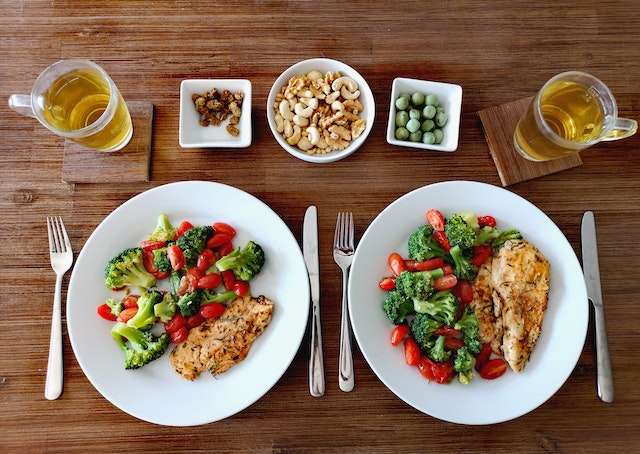
Supplements should complement, not replace, nutrient-rich foods. Aim to meet your needs through:
- Protein-rich meals (think eggs, beans, Greek yogurt)
- Plenty of veggies and fruit
- Healthy fats (avocados, olive oil, nuts)
- Whole grains for B-vitamins and fiber
✅ Smart Supplementing Tips
- Check your labs: Get blood work to identify deficiencies.
- Read labels: Choose reputable brands with third-party testing.
- Avoid megadoses unless prescribed.
- Stick to daily habits: Consistency matters more than variety.
🌟 The Bottom Line
You don’t need a cabinet full of pills — just a thoughtful, targeted approach to supplementing based on your life stage, goals, and diet. Start with the basics, focus on food first, and use supplements as a helpful support after testing and a conversation with a trusted healthcare provider. I recommend a fiber rich diet, adding green leafy vegetables and colorful fruits and veg, protein with every meal, adequate hydration…Combine good nutrition with regular movement (preferably strength training and cardiovascular exercise), quality and consistent sleep, and stress management.
If you need help choosing what’s right for you, I’m here to guide you. Whatever your health goals, start small, maybe with one focus for a week or two, then build from there. Think about what you an ADD-IN rather than take away- this keeps the focus on being positive and proactive when it comes to a happy, healthy lifestyle!