
If your body has changed over the years, you’re certainly not alone. Many women tell me they’re eating the same way they always have, yet their waistline seems to have a mind of its own. The truth is, lasting change isn’t about eating less—it’s about understanding the shift and supporting your body in smarter ways.
Changing Hormones Drive Midsection Weight Gain
- Fat Redistribution: Estrogen naturally steers fat toward the lower body. When it declines, testosterone becomes relatively higher, signaling the body to store fat in the midsection instead.
- Slower Metabolism: Dropping estrogen levels accelerate the natural loss of muscle mass. Fewer muscles mean your body burns significantly fewer calories at rest.
- Insulin Resistance: A lack of estrogen impairs how your body processes blood sugar. This causes the pancreas to pump out more insulin, a hormone that actively locks in abdominal fat.
- Hunger Spikes: Low estrogen decreases leptin (the fullness hormone) and increases ghrelin (the hunger hormone), triggering intense cravings for simple carbohydrates.
- Cortisol Takeover: As ovarian hormones weaken, the body becomes more sensitive to the stress hormone cortisol. Cortisol targets receptors located specifically in deep abdominal fat tissue.
Here is your Action Plan!
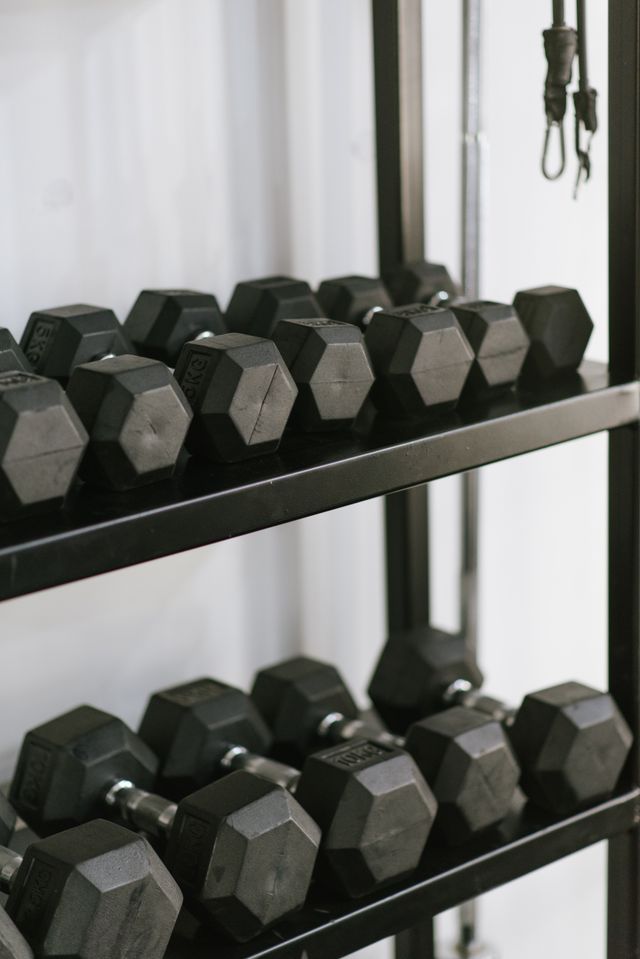
Build Strength
Strength training helps maintain muscle, supports your metabolism, and improves the way your body functions. It’s one of the most effective things you can do for long-term health. Check out my YouTube channel for all kinds of resistance and strength training videos – http://www.youtube.com/@christinasetaro8634

Eat Enough Protein and Fiber
Protein helps preserve lean muscle and keeps you feeling satisfied. Make it a priority at each meal whenever possible. Fiber is essential for a healthy gut microbiome, keeps you fully longer, and it also helps lower a glucose (blood sugar) spike, especially when consumed before carbohydrates.

Reduce Stress
Stress influences many aspects of health. Walking, deep breathing, prayer, journaling, or spending time outdoors are simple ways to help your body recharge.
Prioritize Sleep
Sleep affects energy, recovery, and even your food choices. Better sleep often leads to better health.
Keep Moving
Exercise matters—but so does everyday movement. Walk often, especially after meals, stretch, take the stairs, and avoid sitting for long periods whenever possible.
You’ve Got This!
Forget the quick fixes. Focus on building strength, nourishing your body with good nutrition, sleeping well, managing stress, and staying active. Those habits don’t just change your waistline—they change your life.